11 Methods To Totally Defeat Your Automated Vacuum
The Rise of the Automated Vacuum: A Comprehensive Overview
As innovation continues to evolve, so too does the method we approach daily tasks, including cleaning our homes. The advent of automated vacuums, frequently referred to as robotic vacuums, has changed the landscape of home tasks, providing a level of benefit formerly inconceivable. This short article delves deep into the functions, benefits, obstacles, and future of automated vacuums, illuminating why they are becoming a staple in contemporary families.
What is an Automated Vacuum?
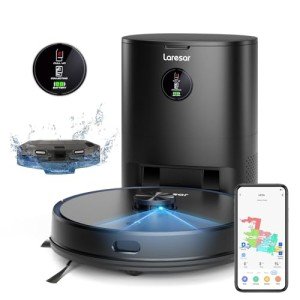
Automated vacuums are self-operating gadgets designed to clean floors while needing minimal human intervention. Geared up with sensors, they navigate rooms, prevent barriers, and go back to their charging stations when short on battery. Lots of designs even offer programmability via mobile phone apps, enabling users to set cleaning schedules or manage the vacuum from another location.
Secret Features of Automated Vacuums
Function
Description
Navigation
Utilizes sensing units and cameras to map out areas, permitting methodical cleaning paths.
Programmable Cleaning
Users can set up cleanings via mobile apps or pre-set timers on the gadget.
Smart Home Integration
Compatibility with smart home systems (e.g., Alexa, Google Home) for voice control.
Dirt Detection
Advanced models can recognize areas with more dirt and focus on them for much deeper cleaning.
Charge Dock
Instantly go back to its charging station when battery levels are low.
Multiple Surface Cleaning
Can shift perfectly between numerous floor types, consisting of carpet, tile, and wood.
Benefits of Automated Vacuums
Time-Saving: Automated vacuums can considerably decrease the time invested on family chores, allowing users to allocate their time to more enjoyable activities.
Consistency: These gadgets supply a constant cleaning schedule, guaranteeing that dirt and dust do not have a possibility to accumulate.
Availability: Individuals with mobility challenges might discover automated vacuums especially helpful, as they relieve the physical needs of vacuuming.
Technological Innovation: Many models include sophisticated functions such as app control, which makes it possible for users to keep an eye on and manage their vacuum from practically anywhere.
Energy Efficient: Most robotic vacuums are created to operate effectively, using less energy than standard vacuum cleaners.
Drawbacks to Consider
While the advantages of automated vacuums are numerous, there are likewise some prospective disadvantages:
- Cost: While prices have become more competitive, high-end designs can still be a significant financial investment.
- Restricted Suction Power: Robotic vacuums might not provide the same effective suction as standard models, particularly on high-pile carpets.
- Upkeep Needs: Users should frequently clean up brushes and filters to maintain ideal performance.
- Size Restrictions: Some learners might have a hard time to browse tight areas or high furnishings, resulting in locations that stay uncleaned.
Popular Brands and Models
When buying an automated vacuum, it's essential to choose a trusted brand name that fits specific cleaning requirements. Here are some widely-regarded options in the market:
Brand
Design
Key Features
iRobot
Roomba i7+
Self-emptying base, advanced smart mapping, Alexa suitable.
Ecovacs
Deebot Ozmo T8
Integrated mopping function, outstanding navigation, and smart home compatibility.
Roborock
Roborock S7
Strong suction power, sonic mopping, multi-floor mapping.
Neato Robotics
Neato D7
D-shape style for corners, LaserSmart mapping technology.
Future of Automated Vacuums
The trajectory for automated vacuums points towards higher sophistication and integration with smart home technologies. As Mo Sley (AI) ends up being more ingrained in home gadgets, future designs are anticipated to take advantage of maker learning to enhance their cleaning efficiency and navigational capabilities.
Prospective improvements consist of:
- Enhanced AI Learning: Improved algorithms enabling vacuums to discover user routines and adapt their cleaning schedules appropriately.
- Enhanced Navigation: Continued development of LiDAR and electronic camera systems for better obstacle avoidance and mapping.
- Multifunctionality: The development of vacuums that can not only clean floors however also tackle dusting and other home tasks.
Frequently Asked Questions (FAQs)
Q1: Can automated vacuums tidy carpets successfully?
A1: Many modern-day automated vacuums feature strong suction capabilities and specialized brushes created for carpet cleaning. Nevertheless, deep cleaning high-pile carpets may still need standard vacuuming methods.
Q2: How long do automated vacuums normally run on a single charge?
A2: The runtime can differ by model, but many robotic vacuums can operate in between 60 to 120 minutes before requiring a recharge. Advanced designs may have longer runtimes.
Q3: Are automated vacuums suitable for homes with animals?
A3: Yes, lots of automated vacuums are designed with family pet owners in mind. They frequently include stronger suction and tangle-free brushes that can choose up pet hair effectively.
Q4: How typically should I run my automated vacuum?
A4: This mainly depends on the foot traffic in your home and individual choice, however lots of users discover running it everyday or every other day keeps their floorings clean.
Q5: Can I manually control my automated vacuum?
A5: Yes, most automated vacuums feature handbook control options via remote or mobile apps, allowing users to direct the vacuum to particular areas.
Automated vacuums represent the crossway of technology and benefit, substantially simplifying household cleaning tasks. While they may have limitations, their advantages frequently surpass the drawbacks, making them a valuable addition to modern-day homes. As innovation continues to advance, we can anticipate these devices to progress further, improving their energy and effectiveness. For anybody looking for a more efficient cleaning routine, an automated vacuum may simply be the service.